




A while back, I received an email that showed how the human brain is usually able to read text, even if the letters in the words are significantly jumbled.
So long as the first and last letters of each word remain in their correct location, it doesn’t matter how mixed up each word’s interior is, for most people, the text is still legible. I found this fascinating, but most of the examples I saw only had a few lines of text.
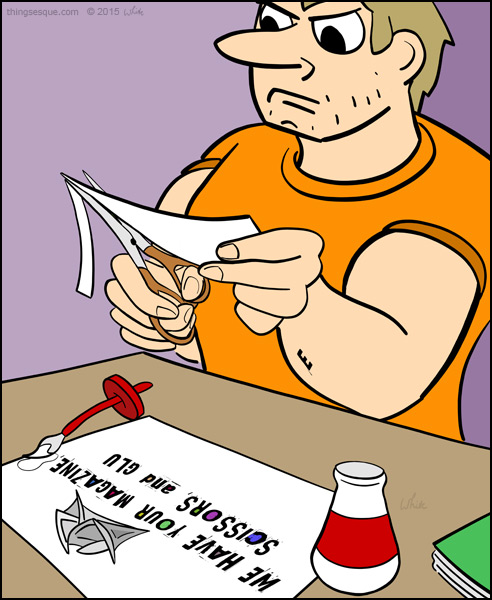
 I wanted to increase the length of this, so created my own version. To source some text, I had a look some well known books that are no longer covered by copyright. At first I was going to use Jane Austen’s “Emma”, but then happened upon H. G. Wells’ “War of the Worlds” (according to litverse.com) and knew that was the text to use.
Below is first chapter of “War of the Worlds”, with word lettering randomly jumbled. Obviously, this couldn’t be applied to words having three letters or less. Also, punctuation for the most part is left intact.
After processing this text, and having heard Jeff Wayne’s Musical Version of The War of the Worlds many times in the past, I now have Justin Hayward’s song, “Forever Autumn“, stuck in my head.
******
BOOK ONE
THE CINOMG OF THE MNAARTIS
CHPATER ONE
THE EVE OF THE WAR
No one wluod have beeveild in the last yeras of the ntnntieeeh cutenry taht this wrold was bieng wehctad kenely and coellsy by iteenelinlgcs geaterr tahn man's and yet as moatrl as his own; that as men biseud tehelsevms abuot teihr vioraus cecronns they were sstnciieurd and stdiued, peraphs alsomt as nowarrly as a man wtih a mccioporse mghit scitnuirse the tiersnant caueterrs taht swarm and mlliptuy in a drop of wtaer. Wtih intniife cpnccolemay men wnet to and fro oevr tihs gbloe about thier ltilte affiras, sneere in thier acussarne of thier emirpe oevr mttaer. It is pilossbe that the inroiusfa uendr the mpcooricse do the smae. No one gvae a thuhogt to the oledr wdrlos of sacpe as srecuos of hamun dngaer, or tguhoht of them only to diismss the ieda of life upon tehm as isoslmbpie or ipmrbolabe. It is cruuios to rleacl smoe of the mtanel hitbas of tohse dreatepd days. At msot trteresrial men feciand tehre mgiht be oethr men upon Mras, prpahes iifnoerr to telvesehms and radey to wmlcoee a mrinsoaisy ernertpsie. Yet acorss the gluf of space, midns taht are to our mnids as orus are to toshe of the bteass that pisreh, inlecetlts vast and cool and uhamtnityespc, redregad tihs erath wtih eoiunvs eyes, and slwloy and sreuly drew tiehr palns aiasngt us. And eraly in the ttietnweh cuetnry came the great diuimennlolssit.
The pnleat Mars, I scrlaecy need rnimed the rdeear, rloevevs about the sun at a mean dcstaine of 140,000,000 meils, and the lihgt and haet it rieeecvs from the sun is brleay half of taht rveeiced by tihs wlord. It must be, if the nulbear heyhtospis has any tutrh, older than our wlrod; and long beorfe this eatrh caesed to be mtleon, lfie upon its sacfure msut hvae bguen its cuosre. The fcat taht it is serlaccy one svteneh of the vumole of the eatrh must have atceelceard its coonilg to the tmaterurepe at wcihh life colud bgien. It has air and water and all that is nesceasry for the sropupt of atmenaid eixencste.
Yet so vian is man, and so bdniled by his vtnaiy, taht no wirter, up to the vrey end of the ninttneeeh cnurety, esxrepsed any idea that iennileltgt life mhigt hvae deeploevd terhe far, or ienedd at all, boenyd its etlhray lveel. Nor was it glnlareey utdoenrsod taht sicne Mars is older than our eatrh, wtih scaeclry a quterar of the sfuieipcral aera and remoter form the sun, it nsresialcey flwloos taht it is not olny more ditnsat form tmie's bingnenig but naerer its end.
The scuelar cinoolg taht must sdemaoy oatrvkee our paenlt has aladery gnoe far idened with our nhbeougir. Its piaschyl cdioointn is slitl lalgery a meytrsy, but we konw now that eevn in its etoqauaril roeign the mdaidy trretumpaee blarey apoecprahs that of our clesodt wntier. Its air is mcuh mroe atutetaned than ours, its oneacs hvae srnhuk uintl tehy ceovr but a tirhd of its safcrue, and as its slow ssaones canhge hgue saconwps gaehtr and melt abuot either ploe and ploilaidrcey innaudte its tatemepre zneos. Taht last stgae of eshtoxiuan, wichh to us is stlil ibdncriley romtee, has bemcoe a psedtrneay pbleorm for the ihttbaainns of Mars. The iidmmteae prerssue of ntsesiecy has beehtigrnd tehir iletectnls, egleanrd their proews, and handreed their herats. And lonoikg ascors scpae wtih inusntrmtes, and iiteeclelnngs scuh as we have sleraccy deaermd of, they see, at its nsereat dsitnace olny 35,000,000 of mleis snarwud of tehm, a mrnniog satr of hope, our own weramr penalt, geern with veagtotien and grey with weatr, wtih a cudloy asorhpmete elqounet of ftrliiety, wtih glispems tghourh its dtniirfg cluod wisps of borad srhettecs of pupoouls curntoy and nrroaw, nvay - codrwed saes.
And we men, the cteareurs who ihnabit tihs ertah, msut be to tehm at least as alien and lwoly as are the menokys and luerms to us. The iuntcletalel sdie of man ardelay aidmts that lfie is an innscaset stluggre for ecstenxie, and it wolud seem that tihs too is the beleif of the mndis upon Mras. Thier wolrd is far gnoe in its clioong and this wlord is sltil corwded wtih lfie, but croedwd olny wtih what they reargd as inrfieor aainlms. To crray wrfraae surawnd is, ienedd, their olny escpae form the dtreiutcosn taht, gitonraeen atfer ganrteioen, creeps uopn them.
And bfeore we jugde of them too hlasrhy we must rembmeer what rehsutls and utter drteosuictn our own sipeces has whrgout, not olny uopn amianls, scuh as the vnshiead biosn and the ddoo, but uopn its irfneior races. The Tminasnaas, in sitpe of their human lesnkeis, wree eltreiny spewt out of etinscxee in a war of eirtxnieomtan wgead by Eeuarpon igmanmrits, in the sapce of ftfiy yares. Are we such aloespts of mrcey as to ciloampn if the Mntaiars warerd in the same sripit?
The Mtnraias seem to hvae cuatllaced teihr dneecst wtih amaizng subtlety -- thier maaetactihml linearng is edlinvety far in esexcs of ours -- and to hvae craierd out thier pentraoprais wtih a well - ngih prcfeet uimtinnay. Had our itrtnmeusns ptetermid it, we mghit hvae seen the gehatinrg tbolrue far back in the nenenettih creunty. Men like Scileraalhpi wectahd the red planet -- it is odd, by - the - bye, that for ctleousns ctireneus Mras has been the satr of war -- but filead to ieteprnrt the funclaiuttg aepnarpaces of the mrngakis tehy mapped so well. All that tmie the Mrntaais must have been gteintg rdeay.
Drniug the optipisoon of 1984 a gerat light was seen on the illiaenutmd part of the disk, frsit at the Lcik Oavrtesorby, then by Ptiroren of Ncie, and then by other obrverses. Engislh rreeads hread of it fisrt in the iusse of NUATRE detad August 2. I am iecnlind to tnhik taht this bazle may hvae been the ctiansg of the hgue gun, in the vast pit snuk itno teihr palnet, form which their stohs wree ferid at us. Paciuler mrnkagis, as yet upneiaxnled, wree seen near the site of taht oeburtak drnuig the next two oppositoins.
The srtom bsurt upon us six yaers ago now. As Mras aohpparecd oiiospotpn, Lelvale of Java set the wires of the astcmnarooil egacnhxe platitnipag wtih the ainmzag ineentlcglie of a hgue outbaerk of idncnceneast gas upon the pnealt. It had occerurd twarods midhingt of the twtfelh; and the sespoctopcre, to whcih he had at once rreotesd, itdcinead a msas of fnamlig gas, chilfey hogdreyn, mnoivg wtih an emouonrs vleoctiy tawrdos tihs etrah. Tihs jet of frie had beomce ivblsiine abuot a qruater past tvlewe. He cepamord it to a cloossal pfuf of flame sdnuedly and vitnloely siuretqd out of the plaent, "as fmlaing gseas rhuesd out of a gun."
A sanrllguiy atiroapppre prhsae it poervd. Yet the nxet day there was nnithog of tihs in the paeprs eexpct a little note in the DIALY TRAPEEGLH, and the wlord went in incangroe of one of the geasvrt dregnas that ever teerhtaned the huamn race. I mihgt not hvae herad of the eoptiurn at all had I not met Ogivly, the wlel - kwonn aortomensr, at Oehsrtatw. He was imseemnly eexcitd at the news, and in the ecxess of his feilnges inevitd me up to take a turn wtih him that nhigt in a snictruy of the red pnaelt.
In sipte of all that has hepnpaed sicne, I siltl rebmemer taht viigl very dnilstitcy: the balck and sneilt oorbsvartey, the sdwahoed ltnaern tohirnwg a fbleee golw upon the folor in the cnroer, the seatdy tkcniig of the cowkclork of the tscleeope, the ltitle silt in the roof -- an oobnlg pfrnoduity with the srasutdt seatekrd acorss it. Olvgiy mvoed aobut, ilvbiisne but ablidue. Lionkog thuogrh the topcelese, one saw a crcile of deep bule and the ltltie round plneat simnimwg in the felid. It seeemd such a lltite tihng, so bhirgt and slmal and stlil, fantliy mraekd with trenssvare stieprs, and shgtilly faneltted form the pefecrt ronud. But so little it was, so sevilry wram -- a pin's - head of light! It was as if it qveriued, but ralely this was the tplesocee vbiianrtg with the atcviity of the ckorwlock taht kpet the pleant in view.
As I wcaehtd, the plnaet smeeed to grow laegrr and slmaler and to avdacne and redece, but that was slmipy taht my eye was terid. Fotry mnililos of miles it was from us -- mroe than froty moinllis of miels of viod. Few poelpe rseiale the ismitnemy of vacacny in wchih the dsut of the mraieatl urevisne smiws.
Naer it in the flied, I rembemer, wree terhe fanit ptions of lihgt, tehre tioeslpecc satrs intiflneiy roemte, and all aurond it was the umohatflanbe daensrks of empty scpae. You know how that baecknlss looks on a ftosry srhlgaitt nihgt. In a tcpeeolse it seems far pudfronoer. And ivbisline to me bsceaue it was so romete and small, flynig sfiltwy and sltediay twrdaos me aocsrs that icidebnrle disatcne, dirnawg naeerr erevy mitune by so mnay tsdahnous of melis, cmae the Thing tehy were sedning us, the Thing taht was to brnig so mcuh sugtrgle and citaalmy and dtaeh to the eatrh. I nveer dmreead of it tehn as I whctead; no one on earth darmeed of taht unrering mislise.
Taht ngiht, too, tehre was aethonr jneittg out of gas form the datisnt plenat. I saw it. A redisdh flash at the edge, the sglehtist poercjtion of the ontiule jsut as the chrtmeooenr scurtk midhingt; and at that I tlod Oivgly and he took my pacle. The ngiht was wram and I was trihtsy, and I went shitetrncg my lges csumlliy and flineeg my way in the dkranses, to the lltite tblae wrehe the sipohn sootd, wihle Oivgly eexaiclmd at the seeartmr of gas that cmae out tdoarws us.
Taht ngiht atehnor ibnislvie miilsse sarettd on its way to the etrah from Mars, just a soecnd or so under tnwtey - four hrous atfer the frist one. I rmeeembr how I sat on the talbe there in the blnsakecs, wtih patechs of geren and cmorsin sinmmiwg broefe my eeys. I whiesd I had a lhigt to sokme by, little suesintpcg the maening of the mtniue gelam I had seen and all that it wluod pereltnsy bnirg me. Oglviy wceahtd till one, and tehn gave it up; and we lit the lrtnean and wlkaed oevr to his hosue. Down below in the dkerasns wree Orasthtew and Cehsrtey and all tiehr hduderns of plepoe, silepeng in peace.
He was flul of spuoelaictn that night abuot the cotiinodn of Mras, and sefocfd at the valugr ieda of its hnvaig itaihnnabts who wree sgnillniag us. His ieda was taht mtieortees mhgit be flialng in a havey seohwr upon the plenat, or that a huge vnoclaic exopsilon was in prrsegos. He pioentd out to me how uelinkly it was taht oriagnc eovouitln had teakn the same dtoiericn in the two ajcanedt pantels.
"The chcaens asangit ainnthyg mkilane on Mars are a mliioln to one," he said.
Hreudnds of osrvrebes saw the fmlae taht nhigt and the night atfer aobut mgihdnit, and agian the nghit afetr; and so for ten ntihgs, a fmale each nhgit. Why the sthos caeesd afetr the tetnh no one on earth has aeptemttd to ealpxin. It may be the gases of the firnig cusaed the Mantairs inncioennvece. Dsene cdolus of somke or dust, vlbsiie toguhrh a pwueofrl teocseple on ertah as little grey, fuatinlutcg phacets, spaerd tuhgorh the cearslnes of the plneat's amhpeostre and ocbsured its mroe faaimilr faetures.
Eevn the daliy pepras wkoe up to the dsiurtnaecbs at lsat, and ppoualr noets appeared here, there, and evyeewrrhe cnrionceng the vncaeolos upon Mras. The srooimiecc pioadicerl PCNUH, I rebememr, made a happy use of it in the pitailcol crotoan. And, all uscpeenutsd, tohse mielsiss the Marntais had ferid at us derw erathwrad, runihsg now at a pace of many mlies a scenod trgouhh the etpmy gulf of scape, huor by huor and day by day, nraeer and nerear. It smees to me now almost icedrnbily wueonrdfl taht, wtih taht swift fate hnangig oevr us, men culod go auobt their ptety cnrcones as tehy did. I rmbemeer how jualnbit Makrham was at suiecrng a new popahrgoth of the plnaet for the iasreutltld paepr he eedtid in toshe days. People in tshee ltater temis scrlaecy railsee the adanbnuce and esipnerrte of our ntnteeeinh - ctruney prpeas. For my own part, I was mcuh ocuciped in liaennrg to ride the bccliye, and bsuy upon a sreeis of peaprs dicsusnsig the plorbbae dmepveotlens of moral idaes as citviosilain proegressd.
One ngiht (the frist mislsie tehn cuold slcearcy have been 10,000,000 melis away) I went for a walk with my wife. It was stihglrat and I epxaneild the Sgnis of the Zdioac to her, and piteond out Mras, a bghrit dot of lgiht ceiprneg zitrehanwd, twdoars whcih so many tcpoeslees wree poitned. It was a warm nihgt. Cnimog home, a party of eiuxsscitrons from Cetsrehy or Ieswrloth pssead us sniingg and pnliayg msuic. There wree lhitgs in the ueppr wodiwns of the hsueos as the pelope went to bed. From the rialway station in the disatcne cmae the snuod of sinnhutg tranis, rinnigg and rmuniblg, sofetned asmolt itno mloedy by the dtnscaie. My wife pnitoed out to me the brgnithess of the red, geren, and ylolew snaigl lhgtis hginang in a fmrreoawk ansagit the sky. It seeemd so sfae and traquinl.

Em Elle
damn…I could read this with very little effort… ♥
Thingsesque
Well done :)